USE CASE 01
Notes and summaries
A clinician dictates the encounter in their own words and lets AI shape the visit note or discharge summary. Your policy decides what the tool may touch. The draft lands in the record beside the ruling.
Verillian governs what AI may do with a chart right on the clinician's device. It screens the identifiers your policy flags, names, dates of birth, and record numbers among them, from a prompt before it leaves. It seals it all into a record built for a HIPAA review.
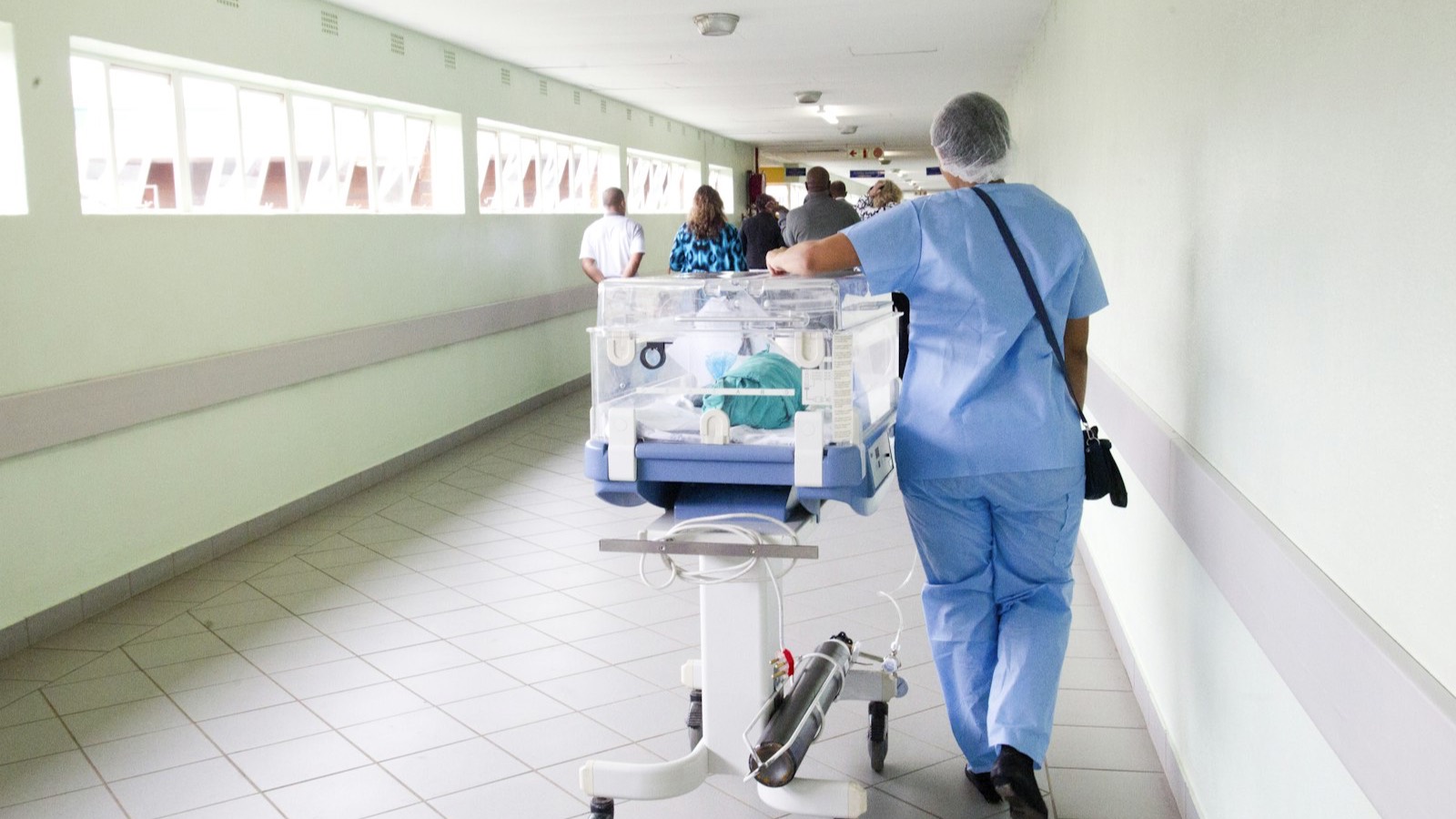
Documentation is where AI earns its place in a clinic: discharge summaries drafted in seconds, portal messages answered, the day's notes closed out on time. Verillian lets your clinicians take that help on the record. It governs what each tool may do with a chart, screens the identifiers your policy flags before a prompt leaves the device, and seals every captured interaction into a record that stands up in a HIPAA review.
Each of these runs under your policy from the first prompt, with identifiers screened on the way out and every step landing in the record.
A clinician dictates the encounter in their own words and lets AI shape the visit note or discharge summary. Your policy decides what the tool may touch. The draft lands in the record beside the ruling.
Portal messages arrive by the hundred. AI drafts the routine replies, refill notes and normal-result letters, and the clinician stays the one who reads, edits, and sends.
Coding, prior authorization, and claims teams put AI on the denials and documentation that eat their week, under the same governance the clinic runs.
That means controlled access, an accounting of activity, and integrity you can prove. Here's what each looks like on a clinical device.
The names, dates of birth, and record numbers it catches are replaced on the device itself, and the record even shows that the model read the stand-in value rather than the real one.
Summarizing a chart can be allowed while a governed tool's export of a patient list is refused, and the refusal happens before anything runs, not in a report the next morning.
Every captured interaction seals whole: what was asked, what was hidden, what was ruled, what came back. When they ask, you answer from evidence, not memory.
The layer runs on hardware you own, inside your own environment, and prompts, charts, and the record itself never touch a Verillian server.
A physician, a triage nurse, and a coder can each carry their own policy, declared in the console rather than trained into a model. It's live the moment you save it, and the record keeps which version was in force for any decision you go back to.
The same governance follows a hospitalist charting, a nurse answering the portal, and a biller coding a claim, across the browser, the desktop, and everything in between.
No product does, and be wary of one that says it. HIPAA compliance is a posture your organization holds. What Verillian adds is the technical half: governed access, screened identifiers, and a sealed record of what AI actually did. That's evidence your compliance program can stand on.
Your organization holds its compliance posture. Verillian supplies controls and evidence that line up with HIPAA's safeguards for patient data.